
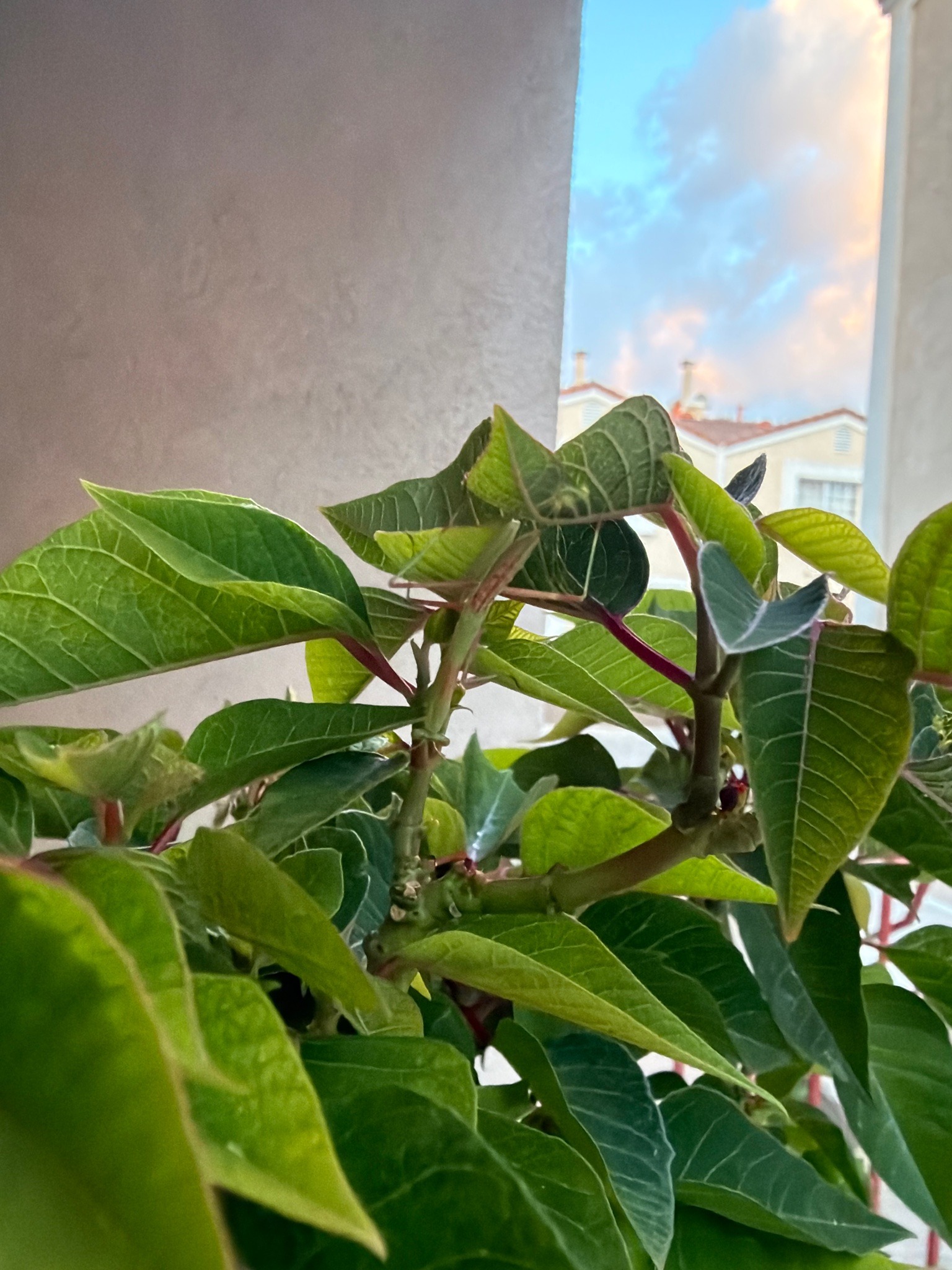
Community identification
Praying Mantis
Mantodea
- Order & Family
- Order Mantodea, Family Mantidae
- Size
- Typically 2 to 6 inches (5 to 15 cm) depending on the species.
Natural Habitat
Gardens, meadows, forests, and shrubbery where foliage is abundant for camouflage.
Diet & Feeding
Carnivorous; primarily eats other insects like flies, moths, crickets, and occasionally small vertebrates.
Behavior Patterns
Ambush predators that remain motionless or sway like a leaf to blend in; known for their raptorial front legs and female practice of sexual cannibalism.
Risks & Benefits
Generally beneficial for pest control in gardens as they consume harmful insects; they are harmless to humans, though large ones can deliver a small pinch if handled.