
Community identification
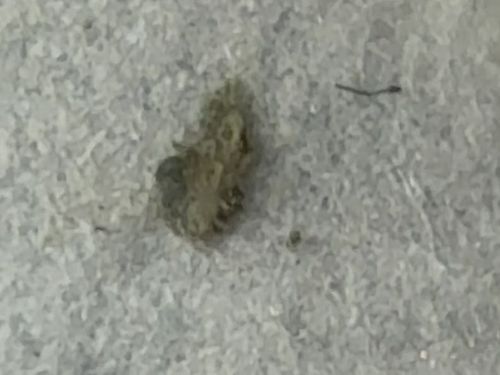
Masked Hunter Nymph (Camouflaged)
Reduvius personatus
- Order & Family
- Hemiptera (True Bugs), Family: Reduviidae (Assassin Bugs)
- Size
- Nymphs vary by growth stage but typically range from 2mm to 12mm; adults grow up to 17-22mm.
Natural Habitat
Often found indoors in dusty corners, attics, basements, or underneath furniture where dust accumulates. Outdoors, they live in dry piles of debris or wood.
Diet & Feeding
Carnivorous predator. Feeds on small household arthropods like bed bugs, booklice, carpet beetles, and silverfish.
Behavior Patterns
Nymphs secrete a sticky substance on their bodies which collects dust, lint, and debris, effectively camouflaging them as 'walking dust bunnies' to ambush prey. They are solitary and nocturnal, hiding during the day.
Risks & Benefits
Benefits: Generally beneficial natural pest control as they hunt unwanted household pests. Risks: While not aggressive towards humans, they can inflict a painful bite similar to a bee sting if handled or threatened.