
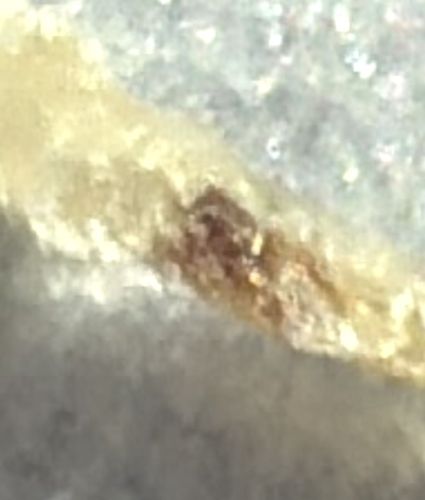
Casemaking Clothes Moth (Larva/Case)
Tinea pellionella
- Order & Family
- Lepidoptera: Tineidae
- Size
- Larvae are roughly 10-12 mm long; the protective case they drag around matches this length.
Natural Habitat
Typically found indoors in dark, quiet areas such as closets, under heavy furniture, or in storage chests where woolen fabrics or furs are kept.
Diet & Feeding
The larvae feed on keratin-rich materials, including wool, fur, silk, feathers, felt, and sometimes hair or pet dander found in dust.
Behavior Patterns
The most distinctive behavior is that the larva spins a silken case around itself, often incorporating fibers from the materials it is eating, which camouflages it. It drags this case around wherever it goes and retreats inside when disturbed. It rarely leaves the case until it pupates.
Risks & Benefits
Risks: They are a significant household pest that causes damage to clothing, carpets, rugs, and upholstery made of natural fibers. Benefits: No direct benefits to humans, though in nature they help break down animal remains (feathers, fur).