
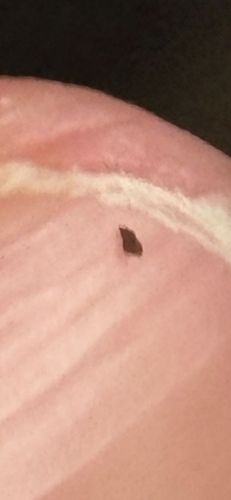
Community identification
Ant
Formicidae
- Order & Family
- Hymenoptera, Formicidae
- Size
- Typically 2 to 7 millimeters, but some species can be much larger (up to 3 cm)
Natural Habitat
Found globally in almost all terrestrial habitats; live in colonies within nests constructed in soil, wood, or under rocks.
Diet & Feeding
Opportunistic feeders; diet varies greatly by species but often includes nectar, seeds, fungi, other insects, and household food scraps.
Behavior Patterns
Highly social insects living in organized colonies. Exhibit complex communication through pheromones and touch. Most species are active during the day, foraging for food and tending to the colony. Some species bite or sting when provoked.
Risks & Benefits
Potential risks include property damage (e.g., carpenter ants), contamination of food, and painful bites/stings from some species. Benefits include pest control (predators of other insects), soil aeration, and seed dispersal.