
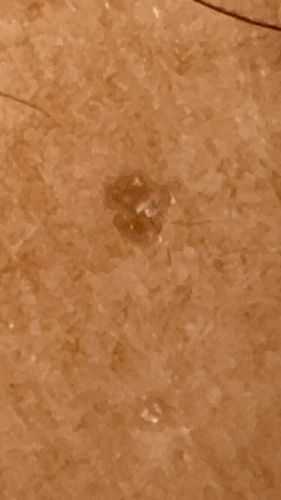
Pubic Louse (Crab Louse)
Pthirus pubis
- Order & Family
- Order: Psocodea (formerly Phthiraptera), Family: Pthiridae
- Size
- 1.1 to 2.0 millimeters (roughly the size of a pinhead) - they are smaller than head lice or body lice.
Natural Habitat
Exclusively found on the human body, specifically preferring coarse hair such as pubic hair, though occasionally found in eyelashes, eyebrows, beard, mustache, armpits, and chest hair.
Diet & Feeding
Hematophagous (feed exclusively on human blood). They use their mouthparts to pierce the skin and suck blood several times a day.
Behavior Patterns
They are relatively immobile compared to other lice, often remaining attached to a single hair shaft near the skin with their specialized claws (which resemble crab claws) for days. They lay eggs (nits) that are firmly cemented to the hair shaft. They do not jump or fly; transmission is primarily through close physical contact.
Risks & Benefits
Risks: They cause intense itching (pruritus) due to an allergic reaction to their saliva. Scratching can lead to secondary bacterial infections. Long-term infestation can cause skin discoloration (macula cerulea). They are not known to transmit disease, unlike body lice. Benefits: None known to humans or the ecosystem.