
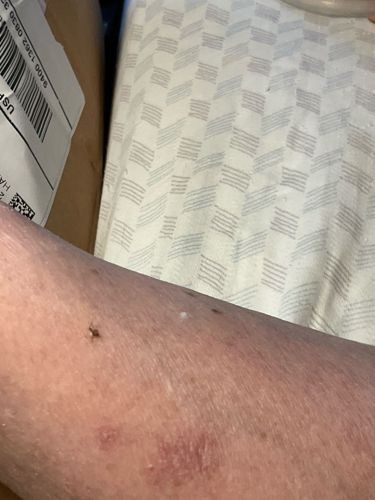
Flea
Ctenocephalides felis (cat flea, most common species found on pets and humans), Pulex irritans (human flea), etc.
- Order & Family
- Order Siphonaptera, Family Pulicidae (most common family)
- Size
- 1.5 to 3.3 mm (0.06 to 0.13 inches)
Natural Habitat
Fleas are found globally and usually infest warm-blooded animals such as cats, dogs, rabbits, squirrels, rats, mice, and even humans. They also inhabit the environments where their hosts reside, including pet bedding, carpets, upholstered furniture, and cracks in floors.
Diet & Feeding
Fleas are obligate parasites, meaning they must feed on blood to survive and reproduce. Both male and female adult fleas feed on the blood of mammals and birds.
Behavior Patterns
Fleas are wingless and renowned for their jumping ability, which they use to move between hosts or to escape danger. They can lay many eggs rapidly after feeding, often depositing them on the host or in the host's environment, such as bedding or carpets. Their life cycle includes egg, larva, pupa, and adult stages, with adults typically emerging from pupae when a host is detected via vibrations or CO2.
Risks & Benefits
Risks: Flea bites can cause itchy red welts on humans and pets, leading to discomfort, skin irritation, and allergic reactions (flea allergy dermatitis). They can also transmit diseases to humans and animals, such as bubonic plague (via oriental rat fleas), murine typhus, and serve as intermediate hosts for tapeworms (e.g., Dipylidium caninum). Benefits: In most ecosystems, fleas primarily serve as food sources for other insects and animals, but their impact is generally considered negative due to their parasitic nature and disease transmission capabilities.