
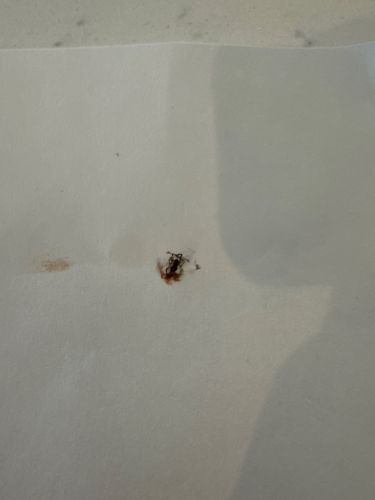
Ant (various species)
Formicidae (family)
- Order & Family
- Hymenoptera (Order) / Formicidae (Family)
- Size
- Typically 1 to 30 mm (0.04 to 1.2 inches) in length, depending on the species.
Natural Habitat
Ants can be found in a wide variety of habitats, including forests, deserts, urban areas, and grasslands. They often nest underground, in wood, or under rocks, and some species build elaborate mounds.
Diet & Feeding
Ants are omnivorous, with their diet varying greatly by species. Many consume nectar, seeds, fungi, other insects (both living and dead), and honeydew produced by aphids. Some species are specialized predators or scavengers.
Behavior Patterns
Ants are highly social insects that live in structured colonies with a caste system (queen, workers, males). They exhibit complex behaviors including foraging, nest building, defense, and communication through chemical signals (pheromones). Some species farm fungi or tend to aphid 'livestock'.
Risks & Benefits
Risks: Some ant species can bite or sting, causing pain, allergic reactions, or secondary infections. They can also become pests by invading homes, contaminating food, or damaging structures (e.g., carpenter ants). Benefits: Ants play crucial roles in ecosystems, including soil aeration, seed dispersal, nutrient cycling, and pest control (by preying on other insects). They also serve as a food source for many animals.