
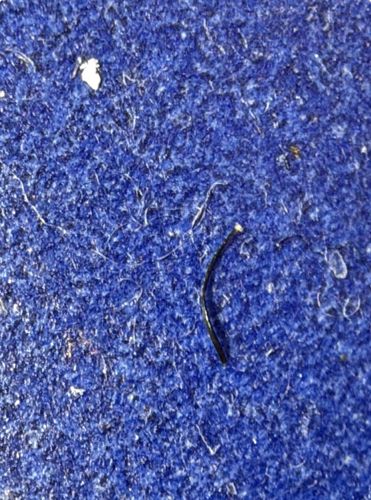
Community identification
Flatworm (specifically Land Planarian)
Bipalium species or similar Terricola
- Order & Family
- Order: Tricladida; Family: Geoplanidae
- Size
- Varies by species; typically 1 cm to several cm in length, though some exotic species can grow much longer.
Natural Habitat
Damp, dark environments such as soil, under rocks, logs, or leaf litter; often found in gardens or greenhouses.
Diet & Feeding
Carnivorous and predatory; they feed on earthworms, slugs, snails, and other soil invertebrates using specialized enzymes to dissolve prey.
Behavior Patterns
Nocturnal and moisture-dependent; they move via a sliding motion using cilia and mucus. They can reproduce both sexually and asexually through fragmentation (splitting).
Risks & Benefits
Generally harmless to humans, though some species produce tetrodotoxin (a neurotoxin) and should not be handled with bare hands. They can be considered invasive pests as they deplete beneficial earthworm populations.