
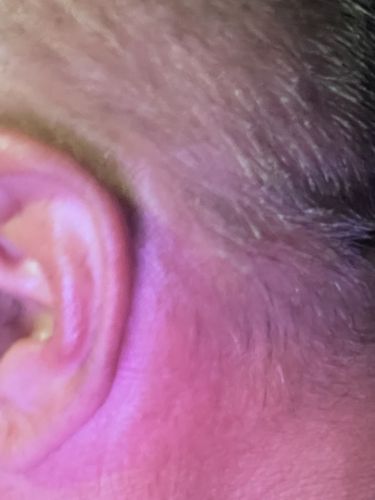
Community identification
Head Louse
Pediculus humanus capitis
- Order & Family
- Order: Psocodea / Family: Pediculidae
- Size
- 2.0 mm to 3.0 mm (about the size of a sesame seed)
Natural Habitat
The human scalp and hair, most commonly found behind the ears and near the neckline at the back of the head.
Diet & Feeding
Obligate ectoparasites that feed exclusively on human blood several times a day.
Behavior Patterns
They do not fly or jump; they move by crawling. Eggs (nits) are cemented to the base of hair shafts. They can only survive for 1 to 2 days away from a human host.
Risks & Benefits
Risks include intense itching (pruritus), sleep disturbance, and secondary bacterial skin infections from scratching. They are not known to transmit disease-causing pathogens.