
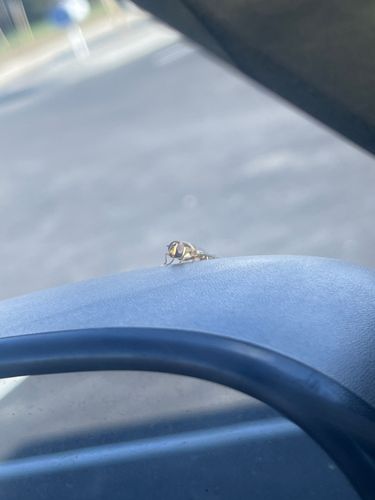
Hoverfly (also known as Flower Fly or Syrphid Fly)
Syrphidae (family level), likely Sphaerophoria or Toxomerus genus
- Order & Family
- Order: Diptera; Family: Syrphidae
- Size
- Typically 4mm to 20mm in length, depending on the species.
Natural Habitat
Found globally in nearly all terrestrial environments with flowering plants, including gardens, meadows, forests, and agricultural lands.
Diet & Feeding
Adults feed on nectar and pollen from flowers. Larvae are diverse; many species are predatory and eat aphids, while others are scavengers or eat plant matter.
Behavior Patterns
Renowned for their ability to hover nearly motionless in mid-air before darting away. They exhibit Batesian mimicry, evolving yellow and black patterns to look like stinging bees or wasps even though they are harmless.
Risks & Benefits
Extremely beneficial to ecosystems. Adults are important pollinators, second only to bees in many environments. Predatory larvae provide natural pest control by consuming large quantities of aphids and other garden pests. They pose no risk to humans as they cannot bite or sting.