
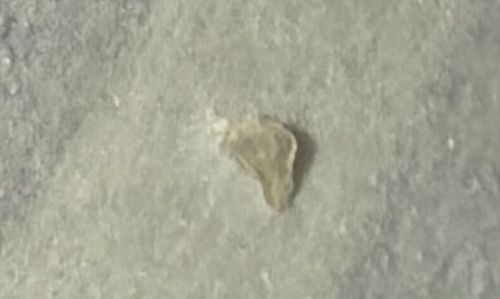
Booklouse (or Barklouse)
Liposcelis spp. (Commonly)
- Order & Family
- Psocodea; Liposcelididae
- Size
- Very small, typically 1 mm to 2 mm in length.
Natural Habitat
Found in high-humidity environments indoors (bathrooms, kitchens, basements) and outdoors under bark or in leaf litter. They thrive in damp books, paper, or stored grains.
Diet & Feeding
They feed on microscopic molds, fungi, starch, paper glue, and stored food products like grains.
Behavior Patterns
These are wingless, soft-bodied insects that run quickly when disturbed but do not fly. They reproduce parthenogenetically (without fertilization) in many species and require high humidity to survive, as their soft bodies lose moisture easily.
Risks & Benefits
Generally harmless to humans (they do not bite or spread disease). However, they can be a nuisance pest, contaminate stored food, and their presence indicates excessive moisture or mold issues in a home. In large numbers, they may damage old books or wallpaper glue.