
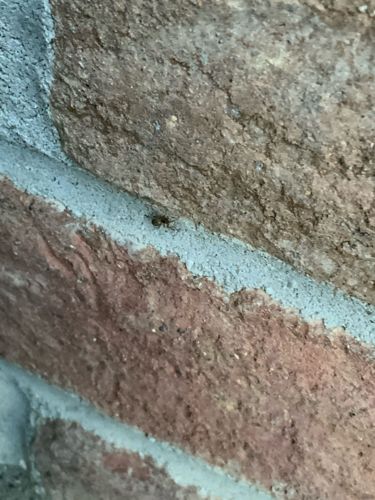
Ant
Formicidae (family level)
- Order & Family
- Order: Hymenoptera, Family: Formicidae
- Size
- Typically from 2 to 25 mm (0.08 to 1 inch), depending on the species and caste.
Natural Habitat
Ants are found in almost all terrestrial habitats worldwide, except Antarctica and a few isolated islands. They build nests in soil, wood, under rocks, tree cavities, and sometimes inside human structures.
Diet & Feeding
Ants are omnivores and their diet varies greatly by species. Many consume nectar, honeydew (produced by aphids), seeds, fungi, other insects, and dead animals.
Behavior Patterns
Ants are social insects that live in colonies, which can range in size from a few dozen to millions. They exhibit complex social structures with different castes (queen, workers, males). Workers forage for food, care for the young, and defend the nest. They communicate using pheromones and touch. Many species are highly organized and efficient in their foraging.
Risks & Benefits
Risks: Some ant species can be nuisance pests in homes, contaminating food. Certain species, like fire ants, deliver painful stings that can cause allergic reactions. Carpenter ants can damage wooden structures. Benefits: Ants play crucial roles in their ecosystems, including soil aeration, seed dispersal, nutrient cycling, and preying on other insects, which can help control pest populations.