
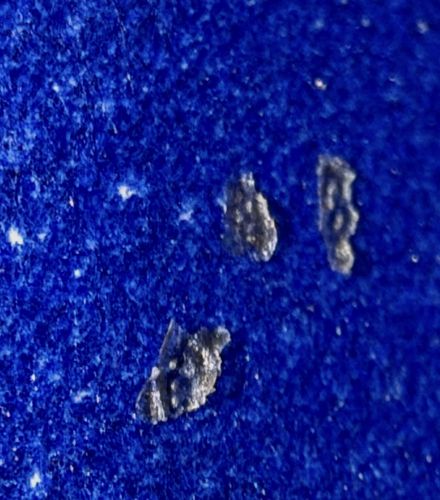
Case-bearing Clothes Moth (Larval Cases)
Tinea pellionella
- Order & Family
- Lepidoptera: Tineidae
- Size
- Larvae are generally 6-10 mm in length; the cases they build and carry are roughly the same size.
Natural Habitat
Typically found indoors in dark, undisturbed areas like closets, drawers, and attics where natural fibers (wool, fur, feathers) are stored. Also found in bird nests.
Diet & Feeding
Larvae feed on keratin-rich animal fibers such as wool, silk, fur, feathers, felt, and hair. They may also consume plant-based materials if soiled with sweat or oils.
Behavior Patterns
The most distinctive behavior is the construction of a portable, silk-lined case made from the fibers they are eating and debris (sand, dust). The larva drags this case around with it as it feeds, never leaving it completely. When pupating, they often crawl up vertical surfaces (walls, curtains) to attach the case in a secluded spot.
Risks & Benefits
They are considered household pests. The larvae cause significant cosmetic and structural damage to clothing, carpets, upholstery, and tapestries made of natural animal fibers. They pose no direct health risk to humans (they do not bite or sting) but can destroy valuable property.