
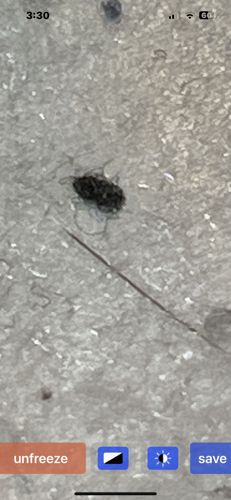
Ant
Formicidae
- Order & Family
- Hymenoptera, Formicidae
- Size
- Most ants range from 2 to 25 mm (0.08 to 1 inch) in length, though some tropical species can be larger.
Natural Habitat
Ants are highly adaptable and can be found in almost all terrestrial habitats worldwide, from forests and grasslands to urban environments. They typically build nests in soil, under rocks, in wood, or in human structures.
Diet & Feeding
Ants are omnivorous, with their diet varying greatly depending on the species. They feed on a wide range of food sources, including nectar, seeds, fungi, other insects (both living and dead), and human food scraps. Many species are scavengers, while others are predators or even farmers (e.g., leafcutter ants).
Behavior Patterns
Ants are highly social insects living in organized colonies that can range from a few dozen to millions of individuals. Colonies typically consist of one or more queens, sterile female workers, and male drones. They communicate through chemical signals (pheromones) and touch, exhibiting complex behaviors such as foraging, nest building, defense, and caring for their young. They are known for their strong work ethic and ability to cooperate.
Risks & Benefits
Potential risks include property damage (e.g., carpenter ants nesting in wood), contamination of food, and painful stings or bites from some species (e.g., fire ants). Benefits include their role as decomposers, aerating soil, controlling pest insect populations, and serving as a food source for other animals.