
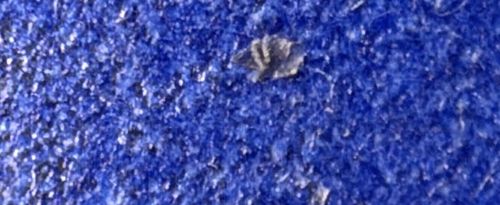
Case-bearing Clothes Moth (larva)
Tinea pellionella
- Order & Family
- Order: Lepidoptera, Family: Tineidae
- Size
- Larvae are generally 6–10 mm long; the portable case is of similar length.
Natural Habitat
Typically found indoors in dark, quiet areas like closets, drawers, under furniture, or on carpeting. They prefer environments with access to natural fibers.
Diet & Feeding
The larvae feed on keratin-rich natural fibers including wool, silk, fur, feathers, hair, and sometimes blended fabrics or lint accumulating in carpets.
Behavior Patterns
The defining behavior is that the larva carries a portable, flattened case made of silk and debris (sand, fibers) wherever it goes. It feeds from inside this case and eventually pupates within it.
Risks & Benefits
Risks: Significant pest of textiles; they cause irregular holes in clothing, carpets, and upholstery. Benefits: In nature, they help decompose animal matter (feathers, carcasses), but they are overwhelmingly considered a pest in homes.