
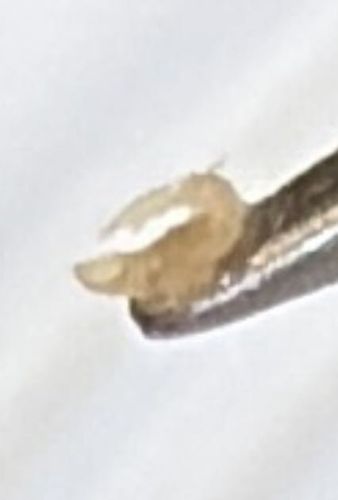
Community identification
Body louse
Pediculus humanus humanus
- Order & Family
- Order: Psocodea (formerly Phthiraptera), Family: Pediculidae
- Size
- 2.3 to 3.6 millimeters (about the size of a sesame seed).
Natural Habitat
Typically found on the human body and within the seams of clothing and bedding of an infested person.
Diet & Feeding
Strict blood-feeders that consume human blood several times a day.
Behavior Patterns
They live in clothing and only crawl onto the skin to feed. They are spread by direct physical contact or by sharing clothing, beds, or towels. Eggs (nits) are glued to cloth fibers rather than hair.
Risks & Benefits
Risks: Can cause intense itching and rashes; more importantly, they are vectors for dangerous diseases like epidemic typhus, trench fever, and louse-borne relapsing fever. Benefits: None.