
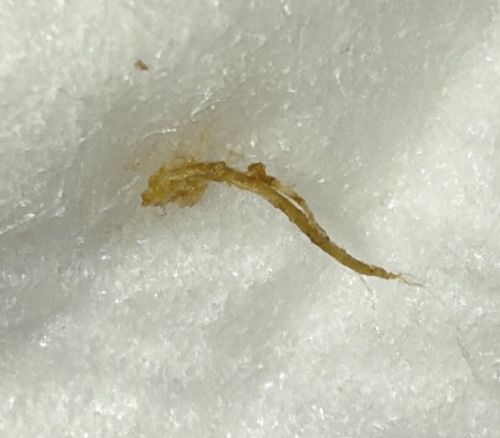
Community identification
Pharaoh Ant (Larva/Pupa)
Monomorium pharaonis
- Order & Family
- Order: Hymenoptera, Family: Formicidae
- Size
- Larvae are small and vermiform; adults are approximately 1.5 - 2 mm in length.
Natural Habitat
Nests in warm, moist, dark crevices. Frequently found indoors in wall voids, under floors, and in kitchens or hospitals.
Diet & Feeding
Broad diet including proteins, fats, and sweets. In households, they often consume crumbs, grease, and sugary liquids.
Behavior Patterns
Nesting involves large colonies with multiple queens (polygyny). They exhibit a behavior called 'budding,' where a new colony forms when a portion of the old colony migrates with a queen, often triggered by disturbance or chemical treatment.
Risks & Benefits
Major structural pest; particularly dangerous in hospitals as they can spread pathogens like Streptococcus, Staphylococcus, and Salmonella across surfaces. They offer little to no ecosystem benefit in human-inhabited environments.