
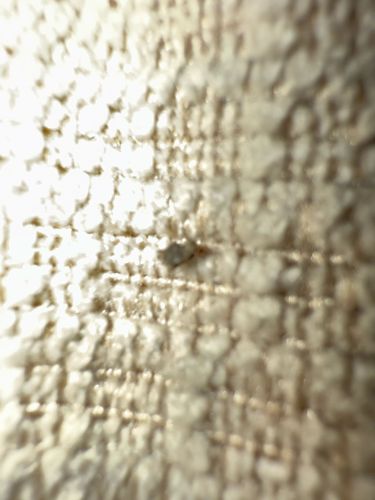
Booklouse
Psocoptera (various species)
- Order & Family
- Order: Psocoptera, various Families including Liposcelididae
- Size
- Typically 1-2 mm, though some species can be larger.
Natural Habitat
Booklice prefer damp, warm, and undisturbed environments. They are commonly found in homes, libraries, museums, and warehouses, feeding on mold, fungi, and starchy materials. They can be found in books, papers, wallpaper, stored foods, and sometimes even in bedding or upholstered furniture if conditions are right.
Diet & Feeding
Booklice are scavengers that feed on microscopic mold and fungi. They also consume starchy materials such as glues (book bindings, wallpaper glue), cereals, flour, dried plant materials, and dead insects.
Behavior Patterns
These small insects are generally nocturnal or avoid light. They can move quickly, but are often found in static locations. Some species are parthenogenetic (females reproduce without males). They do not bite humans or pets. Their presence often indicates high humidity and a source of mold/mildew.
Risks & Benefits
Risks: Primarily a nuisance pest. They can infest stored food products, books, and other cellulose materials, potentially causing damage or contamination. They are not known to transmit diseases to humans. Benefits: Generally minimal ecological benefits for humans in indoor environments. In natural settings, they contribute to decomposition by feeding on mold and detritus.