
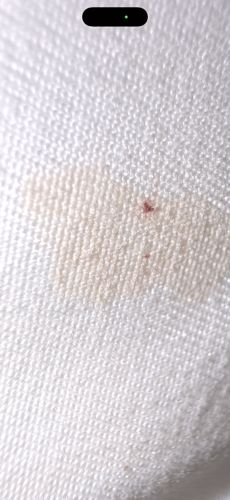
Bed Bug (Early Instar Nymph)
Cimex lectularius
- Order & Family
- Order: Hemiptera, Family: Cimicidae
- Size
- 1.5 mm to 4.5 mm (nymphs), up to 5-7 mm (adults)
Natural Habitat
Indoor environments, specifically within human dwellings. They typically hide in mattress seams, bed frames, headboards, and cracks or crevices near sleeping areas.
Diet & Feeding
Obligate hematophages, meaning they feed exclusively on the blood of warm-blooded animals, primarily humans. Feeding usually occurs at night.
Behavior Patterns
Nocturnal and elusive; they are attracted to carbon dioxide and body heat. They undergo Hemimetabolous metamorphosis (egg, nymph stages, adult). After a blood meal, they often leave behind small reddish-brown fecal spots or blood smears on linens.
Risks & Benefits
Risks include itchy allergic reactions to bites, skin rashes, and psychological distress/insomnia. While they are not known to transmit diseases to humans, infestations are difficult to eradicate. There are no known ecological benefits to human environments.