
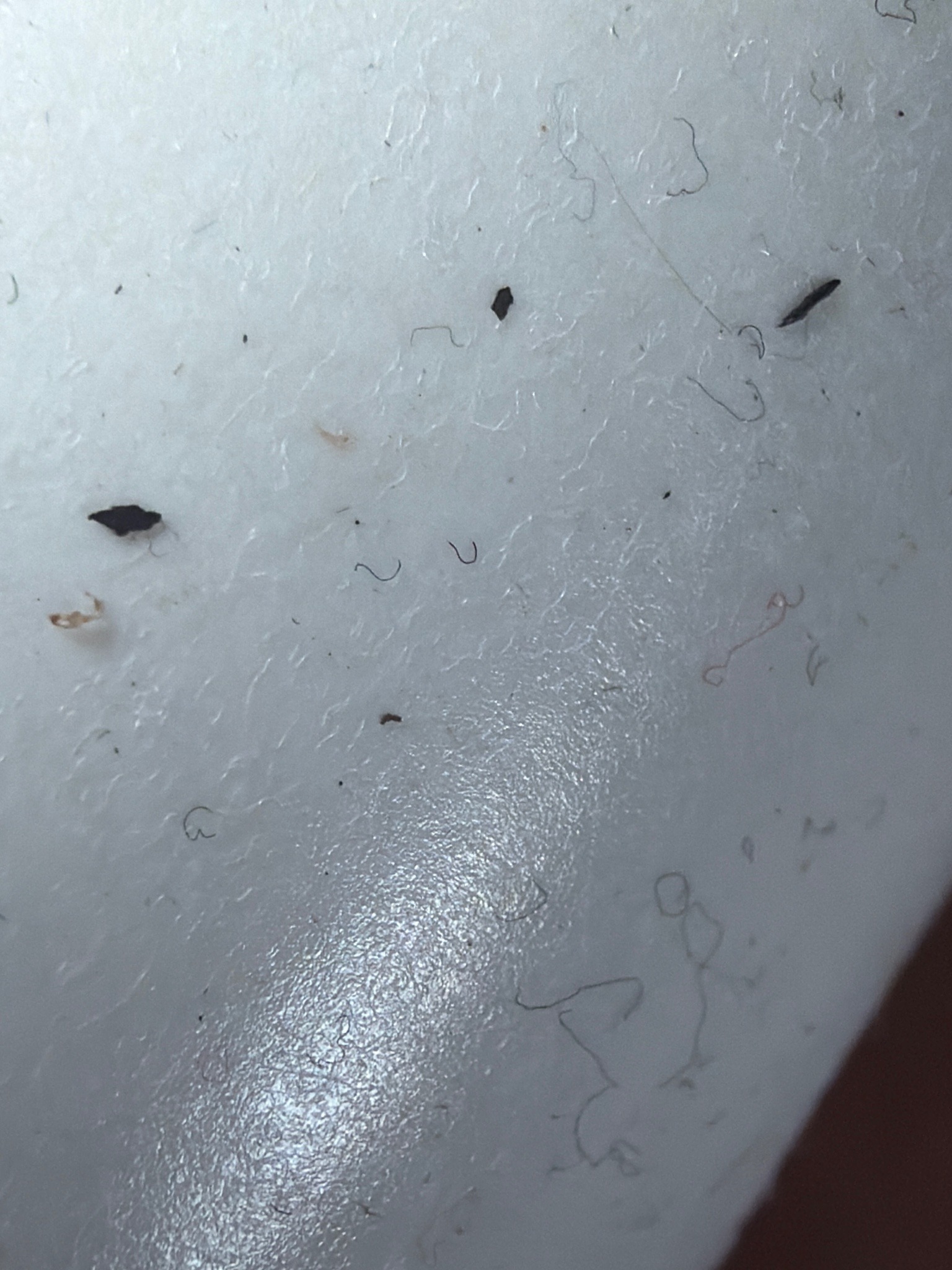
Community identification
Cat Flea
Ctenocephalides felis
- Order & Family
- Siphonaptera: Pulicidae
- Size
- 1.5 to 3.3 mm in length
Natural Habitat
Indoor environments, pet bedding, carpets, and the bodies of mammalian hosts like cats and dogs.
Diet & Feeding
Obligate hematophages; adults feed on the blood of mammalian hosts, while larvae feed on organic debris and adult flea excrement (flea dirt).
Behavior Patterns
Adults are wingless but powerful jumpers that remain on hosts to mate and feed. Females lay eggs that fall into the environment. They undergo a complete metamorphosis (egg, larva, pupa, adult).
Risks & Benefits
Risks include painful bites, allergic dermatitis, and transmission of pathogens like tapeworms (Dipylidium caninum) or Bartonella. They provide no significant benefits and are considered domestic pests.