
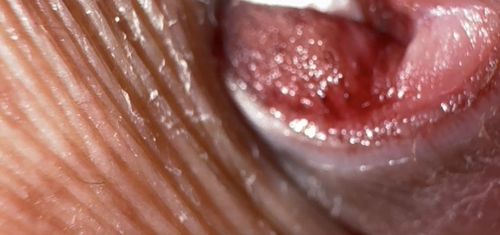
Jigger Flea, Chigoe Flea, or Sand Flea
Tunga penetrans
- Order & Family
- Order: Siphonaptera, Family: Tungidae
- Size
- Approx. 1mm (0.04 in) free-living; females swell up to 1cm (0.4 in) after burrowing and feeding
Natural Habitat
Found in tropical and sub-tropical climates (Caribbean, South America, sub-Saharan Africa). They thrive in warm, dry, sandy soil and dust, often in impoverished communities or around stables.
Diet & Feeding
Hematophagous (feed on the blood of mammals). Hosts include humans, dogs, pigs, cats, and rats.
Behavior Patterns
Unlike other fleas, the impregnated female burrows head-first into the host's skin (usually feet, under toenails, or between toes). She swells dramatically while feeding and releasing eggs through a small exposed pore, eventually dying and sloughing off with the skin.
Risks & Benefits
Significant Risk: Causes Tungiasis, an intensely itchy, painful skin inflammation. It can lead to secondary bacterial infections (gangrene, tetanus), loss of toenails, deformation of toes, and difficulty walking. No ecological benefits to humans.