
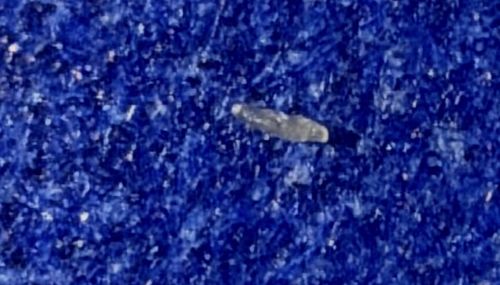
Springtail
Collembola (Subclass)
- Order & Family
- Entomobryomorpha (Order), Entomobryidae (common Family)
- Size
- Very small; typically between 0.25 mm to 6 mm in length, though most seen indoors are under 2 mm.
Natural Habitat
Damp, organic-rich environments such as leaf litter, soil, decaying wood, potted plants, and occasionally damp indoor areas like bathrooms or basements.
Diet & Feeding
Mainly detritivores and fungivores; specific diet includes decaying plant matter, fungal hyphae, mold, spores, algae, and sometimes pollen or bacteria.
Behavior Patterns
Known for their unique jumping ability using a specialized appendage called a furcula (though some species lack this). They thrive in high humidity and often congregate in large numbers where moisture and food are present. They do not fly.
Risks & Benefits
Benefits: Crucial for soil health as they break down organic matter and cycle nutrients. Risks: Generally harmless to humans and pets; they do not bite, sting, or damage structures. They can be a nuisance pest in homes if moisture issues exist or in potted plants.