
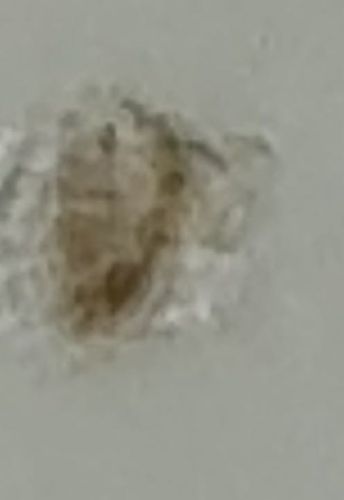
Community identification
Head louse (nymph)
Pediculus humanus capitis
- Order & Family
- Order: Psocodea (formerly Phthiraptera), Family: Pediculidae
- Size
- Approximately 1 to 2 mm for nymphs; adults can reach 2-3 mm.
Natural Habitat
The scalp and hair of humans; they are obligate ectoparasites and cannot survive for long off a human host.
Diet & Feeding
Strictly human blood, which they obtain by biting the scalp several times a day.
Behavior Patterns
They crawl across the scalp and hair (they cannot jump or fly). They lay eggs (nits) at the base of hair shafts. A nymph matures through three molts before becoming an adult.
Risks & Benefits
Risks include intense itching due to an allergic reaction to their saliva, which can lead to sores and secondary bacterial infections from scratching. They are not known to transmit diseases, but infestation causes significant distress and social stigma.