
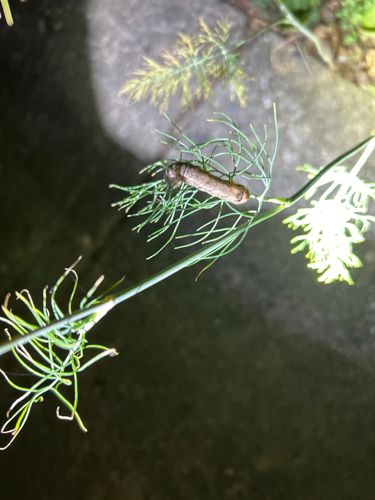
Cutworm
Agrotis spp., Peridroma spp., and others (General term for larvae of various Noctuidae moths)
- Order & Family
- Lepidoptera, Noctuidae
- Size
- Larvae typically range from 1 to 2 inches (2.5 to 5 cm) in length when fully grown. Adult moths vary in wingspan from 1 to 2 inches (2.5 to 5 cm).
Natural Habitat
Cutworms are found in various agricultural fields, gardens, lawns, and natural areas. They prefer loose soil where they can easily burrow and hide during the day.
Diet & Feeding
Cutworms are polyphagous, meaning they feed on a wide variety of plants. They are known for cutting down young plants at or just below the soil surface, especially vegetable seedlings, turf grasses, and field crops.
Behavior Patterns
Larvae are primarily nocturnal feeders, hiding during the day and emerging at night to chew on plant stems and leaves, often at the soil line. They may curl into a 'C' shape when disturbed. They undergo complete metamorphosis, pupating in the soil.
Risks & Benefits
Risks: Cutworms are significant agricultural pests, causing considerable damage to young plants and leading to crop loss. They can decimate entire rows of seedlings overnight. Benefits: As part of the food chain, they can be a food source for birds, beneficial insects, and other predators. However, their pest status generally outweighs any ecological benefits in cultivated areas.