
Community identification
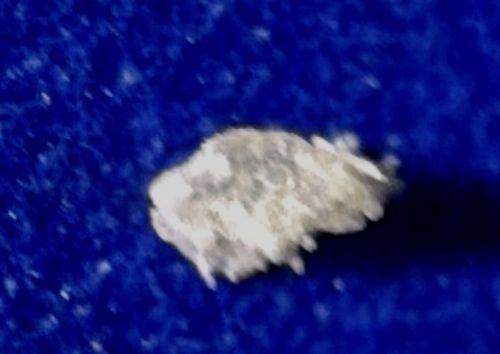
Mealybug Destroyer (Larva)
Cryptolaemus montrouzieri
- Order & Family
- Coleoptera (Beetles), Coccinellidae (Ladybugs)
- Size
- Larvae grow up to 12 mm (almost 0.5 inches) long, while adults are smaller (about 3-4 mm).
Natural Habitat
Found in gardens, greenhouses, and agricultural fields, particularly in warmer climates or indoor environments where mealybugs are present.
Diet & Feeding
They are voracious predators that feed primarily on mealybugs (both eggs and nymphs) and scale insects. If mealybugs are scarce, they may eat aphids.
Behavior Patterns
The larva mimics the appearance of a mealybug by covering itself with white, waxy filaments. This camouflage allows it to infiltrate mealybug colonies undetected to feed on the pests. They are active hunters.
Risks & Benefits
They pose no risk to humans or pets. They are highly beneficial biological control agents, frequently introduced into greenhouses and orchards to control destructive mealybug populations naturally without pesticides.