
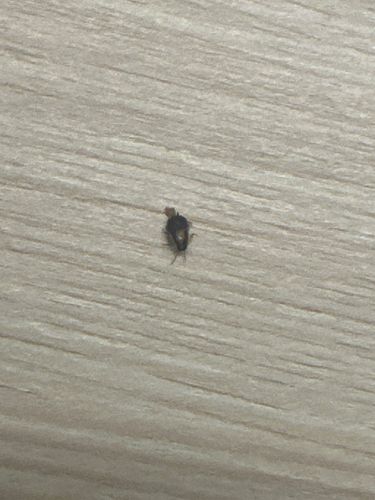
Flea (Likely Cat Flea or Dog Flea)
Ctenocephalides felis (Cat Flea) or Ctenocephalides canis (Dog Flea)
- Order & Family
- Siphonaptera, Pulicidae
- Size
- 1-3 mm
Natural Habitat
Fleas typically live on the bodies of warm-blooded animals (mammals and birds). Their eggs, larvae, and pupae are often found in carpets, pet bedding, cracks in floors, and other sheltered areas in homes.
Diet & Feeding
Adult fleas feed exclusively on the blood of their hosts (hematophagous). Larvae feed on organic debris, including adult flea feces that contain digested blood.
Behavior Patterns
Fleas are wingless insects known for their ability to jump long distances. They undergo complete metamorphosis (egg, larva, pupa, adult). Adults are very persistent parasites, remaining on their host for blood meals. They can reproduce rapidly under favorable conditions.
Risks & Benefits
Risks: Fleas are a significant pest for pets, causing intense itching, skin irritation, allergies (flea allergy dermatitis), and secondary infections. They can transmit diseases such as murine typhus and tapeworm (Dipylidium caninum) to pets and, less commonly, to humans. In severe infestations, large numbers of fleas can cause anemia in young or compromised animals. Benefits: There are no significant benefits associated with fleas for humans or the ecosystem, as they are primarily pests and disease vectors.