
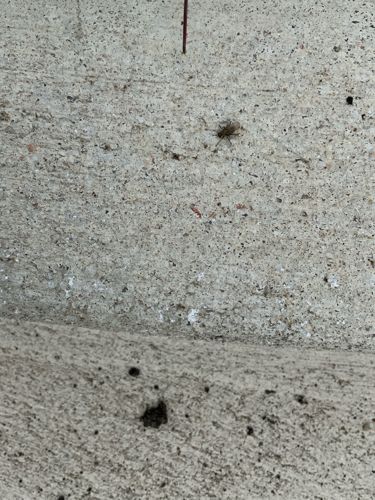
Cellar Spider
Pholcus phalangioides
- Order & Family
- Order: Araneae, Family: Pholcidae
- Size
- Body length typically 2-10 mm, with very long, slender legs that can make their overall leg span up to 50-70 mm.
Natural Habitat
Commonly found in dark, damp, and undisturbed areas such as cellars, basements, crawl spaces, garages, sheds, attics, and even inside homes behind furniture or in corners of ceilings. They can also be found outdoors in sheltered locations like under rocks, logs, or eaves.
Diet & Feeding
Mainly insects and other spiders. They are opportunistic predators that will catch whatever prey gets entangled in their web. They are known to prey on other spiders, including more venomous ones like redback spiders and hobo spiders.
Behavior Patterns
Cellar spiders are known for building irregular, messy webs in corners of rooms, cellars, and other quiet, undisturbed places. They are often seen hanging upside down in their webs. When disturbed, they may vibrate rapidly in their web, making themselves appear blurry to predators. They are relatively docile and generally not aggressive towards humans. Females carry their eggs in a loose silk sac.
Risks & Benefits
Risks: Cellar spiders are not considered dangerous to humans. Their fangs are too small and their venom is too weak to cause any significant harm to humans. They are often mistaken for 'Daddy Long-Legs' (harvestmen), which are not spiders. Benefits: They can be beneficial in controlling insect populations within homes, including other spiders, mosquitoes, and flies.