
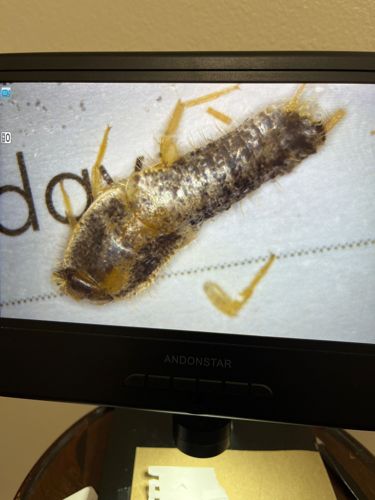
Silverfish or Firebrat
Lepisma saccharina (Silverfish) or Thermobia domestica (Firebrat)
- Order & Family
- Order: Zygentoma, Family: Lepismatidae
- Size
- Typically 10-20 mm (0.4-0.8 inches) in length, excluding their tails.
Natural Habitat
Silverfish prefer cool, damp, and dark places such as basements, bathrooms, and attics. Firebrats prefer hot, dark environments like near furnaces, fireplaces, and boiler rooms. Both are found indoors in human dwellings.
Diet & Feeding
They are scavengers and primarily feed on carbohydrates. Their diet includes starches and dextrin found in adhesives (book bindings, wallpaper glue), paper (books, documents, cardboard), fabric (cotton, linen, silk, synthetic fibers), dried foods (flour, oats, cereals), and dead insects.
Behavior Patterns
Nocturnal and reclusive, they hide during the day and forage at night. They are fast-moving. Silverfish are known for their wiggling, 'fish-like' movement. They have a long lifespan for an insect, some living up to 3-6 years. They undergo ametabolous metamorphosis, meaning they hatch from eggs looking like miniature adults and continue to molt throughout their lives, even as adults.
Risks & Benefits
Potential risks include property damage by feeding on books, paper products, wallpaper, and clothing. They do not bite humans, spread diseases, or carry venom, making them harmless from a health perspective. There are no significant benefits associated with their presence in human environments; they are generally considered a nuisance pest.