
Community identification
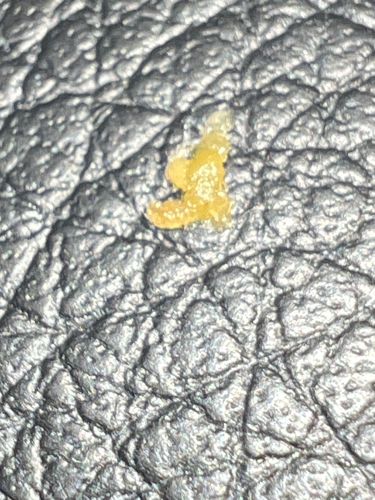
Fly eggs
Calliphoridae (family)
- Order & Family
- Order: Diptera, Family: Calliphoridae (Blow flies) or Muscidae (House flies)
- Size
- 1.0 mm to 1.5 mm in length per individual egg.
Natural Habitat
Moist, organic environments including decaying plant matter, carrion, garbage, or damp areas in homes.
Diet & Feeding
Eggs do not eat. Upon hatching, the larvae (maggots) consume organic matter, such as rotting food, waste, or animal tissue.
Behavior Patterns
Female flies lay eggs in clusters (batches of 75 to 150) on suitable food sources. Eggs typically hatch into larvae within 8 to 24 hours in warm conditions.
Risks & Benefits
Risks: Potential for food contamination and spread of diseases/bacteria like Salmonella or E. coli if located near food preparation areas. Benefits: Larvae help decompose organic waste in the ecosystem.