
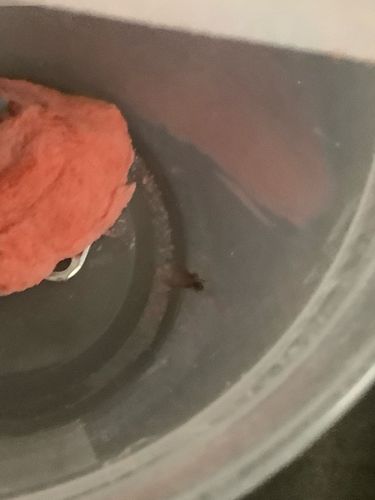
Fly (general)
Too indistinct to identify a specific scientific name. It belongs to the order Diptera.
- Order & Family
- Order: Diptera (True Flies); Family: Varies widely (e.g., Muscidae, Calliphoridae, Culicidae, Tabanidae, Drosophilidae, etc.)
- Size
- Highly variable, typically ranging from 1 mm to over 60 mm depending on the species.
Natural Habitat
Flies are ubiquitous and can be found in almost every terrestrial and freshwater habitat across the globe. Their habitat preferences vary significantly by species, ranging from forests, grasslands, deserts, and urban environments to aquatic ecosystems (for larval stages of many species).
Diet & Feeding
The diet of flies is highly varied depending on the species. Many feed on decaying organic matter (carrion, dung, rotting fruit, decaying plants), nectar, sap, blood (e.g., mosquitoes, horse flies), or other insects (predatory flies).
Behavior Patterns
Flies are typically active during the day, foraging for food and laying eggs. Many species exhibit strong flight capabilities. Different species have varied reproductive strategies, with some laying eggs in decaying matter, water, or on hosts.
Risks & Benefits
Potential risks include being vectors for diseases (e.g., malaria, dengue, cholera, typhoid), causing annoyance with bites (e.g., mosquitoes, biting flies), and crop damage (e.g., fruit flies, Hessian flies). Benefits include being important pollinators, decomposers (recycling nutrients from decaying matter), biological control agents (predatory flies, parasitoids), and food sources for other animals.