
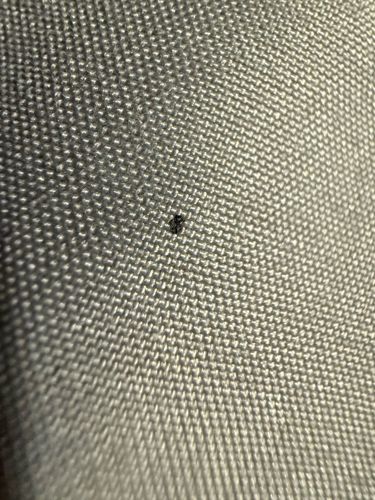
Fungus Gnat
Bradysia spp. or Sciara spp. (various genera within Sciaridae and Mycetophilidae)
- Order & Family
- Order: Diptera, Family: Sciaridae or Mycetophilidae
- Size
- 1/16 to 1/8 inch (2-3 mm) in length
Natural Habitat
Damp, humid environments with decaying organic matter, especially common in potted plants, greenhouses, and compost piles.
Diet & Feeding
Adult fungus gnats typically do not feed or feed on liquids. Larvae feed on fungi, decaying organic matter, and sometimes the roots of plants.
Behavior Patterns
Adults are often seen flying or walking on surfaces near plants, especially when disturbed. They are attracted to light. Larvae live in the soil and feed on fungal growth and organic material. Their life cycle from egg to adult is relatively short (2-4 weeks), leading to rapid population growth in favorable conditions.
Risks & Benefits
Risks: Larvae can damage plant roots, especially seedlings and young plants, by feeding on them. They can also spread plant pathogens. They are generally considered a nuisance pest in homes and greenhouses. Benefits: In larger ecosystems, they contribute to decomposition by feeding on decaying organic matter and fungi.