
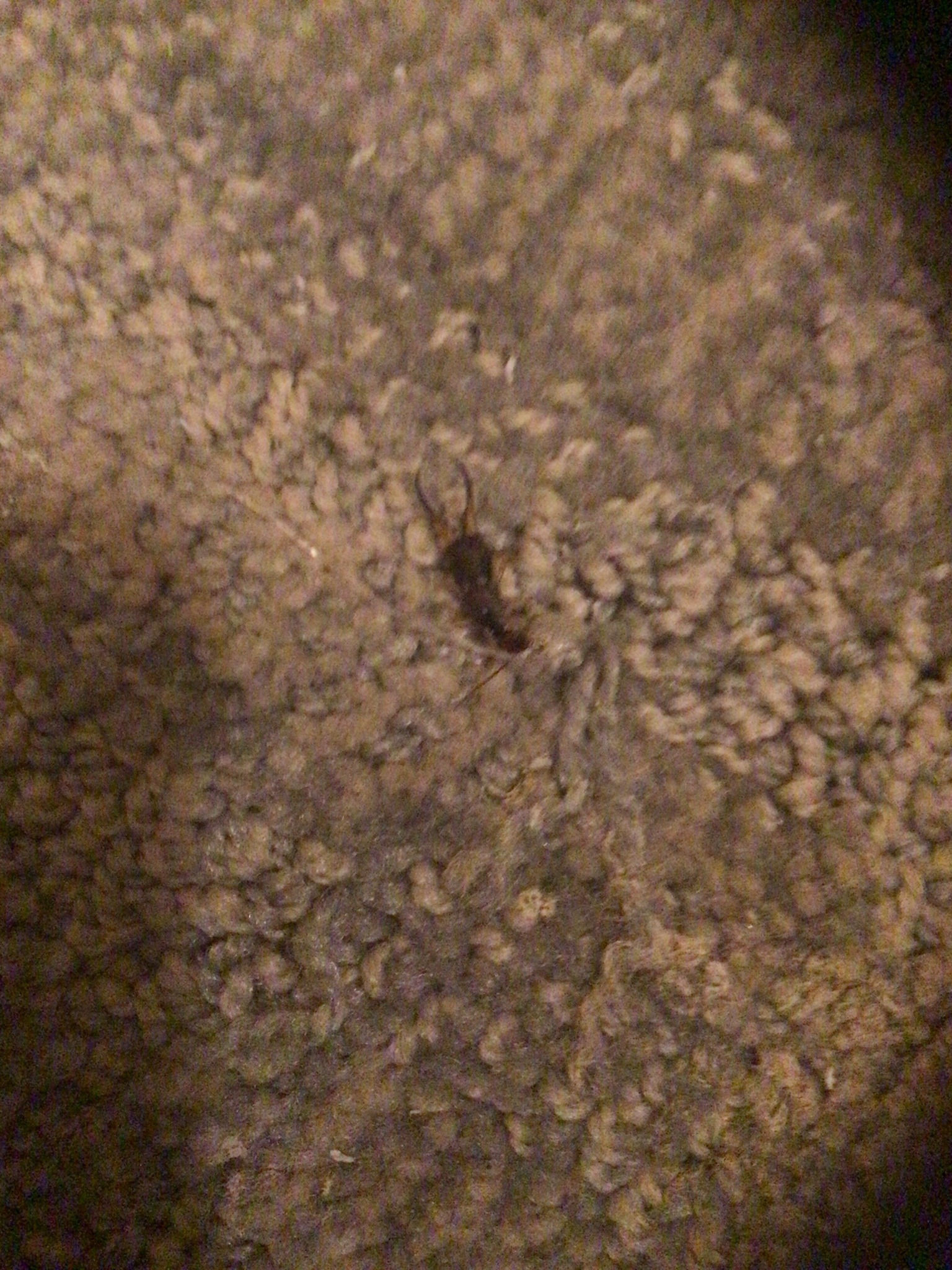
Community identification
European Earwig
Forficula auricularia
- Order & Family
- Dermaptera: Forficulidae
- Size
- 10-15 mm (approx. 0.5 inches)
Natural Habitat
Damp, dark areas such as under rocks, logs, mulch, or mulch beds; they often enter homes during periods of drought or heavy rain.
Diet & Feeding
Omnivorous; they feed on a variety of organic matter including decaying plants, flowers, soft-bodied insects like aphids, and occasionally living plant tissue.
Behavior Patterns
Nocturnal insects that hide during the day. They are known for their maternal care, where mothers guard eggs and young nymphs. They use their posterior cerci (pincers) for defense and capturing small prey.
Risks & Benefits
They are generally harmless to humans, though they can deliver a slight pinch if handled. While they can be garden pests in large numbers, they are also beneficial as they consume other harmful garden pests like aphids and mites.