
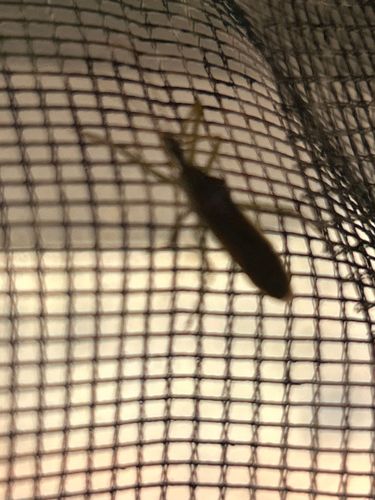
Assassin Bug
Reduviidae (various genera and species)
- Order & Family
- Order: Hemiptera, Family: Reduviidae
- Size
- Typically "0.2" to "1.6" inches ("5" to "40" mm) in length, depending on the species.
Natural Habitat
Assassin bugs are found in a wide variety of habitats, including forests, grasslands, agricultural fields, gardens, and sometimes inside human dwellings. They often hide in foliage, under bark, or in other concealed places.
Diet & Feeding
Predatory. Assassin bugs are carnivorous and feed on a wide range of other insects and arthropods, including aphids, caterpillars, beetles, flies, and even other bugs. They use their strong, piercing-sucking mouthparts (rostrum) to inject venom and digestive enzymes into their prey, then suck out the liquefied contents.
Behavior Patterns
Most assassin bugs are solitary predators. They are ambush predators or stalk their prey. Many species are nocturnal, though some are active during the day. They are known for their relatively slow, deliberate movements. Some species, like the wheel bug, are capable of producing a painful bite if handled, and some 'kissing bugs' (a subfamily of assassin bugs) are adapted to feed on vertebrate blood while they sleep.
Risks & Benefits
Benefits: Many assassin bugs are beneficial insects in agriculture and gardens as they prey on various pest insects, helping to control their populations without the need for chemical pesticides. Risks: Most assassin bugs are not aggressive towards humans, but if handled or threatened, they can deliver a painful bite with their rostrum. While usually not medically serious, the bite can cause localized pain, swelling, and redness. A specific group, the 'kissing bugs' (Triatominae subfamily), are notorious for transmitting the parasite Trypanosoma cruzi, which causes Chagas disease, primarily in Latin America. However, the bug in the image is not identifiable as a kissing bug based on this photo.