
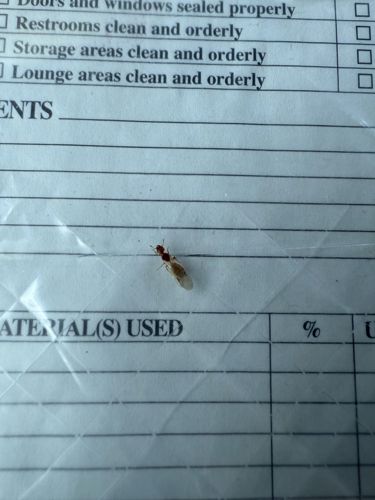
Winged Termite (Swarmers)
Isoptera (Suborder)
- Order & Family
- Order: Blattodea, Family: Rhinotermitidae (Subterranean Termites) or Kalotermitidae (Drywood Termites)
- Size
- Typically 6 to 12 mm (0.25 to 0.5 inches) in length, including wings.
Natural Habitat
Subterranean termites, the most common type to swarm, live in underground colonies and build mud tubes to access food sources above ground. Drywood termites live entirely within the wood they infest. Swarmers are found outdoors as they disperse from a colony, or indoors if a colony is within or very near a structure.
Diet & Feeding
Termites primarily feed on cellulose, which is found in wood, paper, fabric, and other plant-based materials. They digest cellulose with the help of symbiotic microorganisms in their gut.
Behavior Patterns
Termites are social insects that live in colonies, often with millions of individuals. They have a caste system, including workers, soldiers, and reproductives (alates/swarmers). Swarmers like the one pictured are winged reproductives that emerge from mature colonies to establish new ones. They are often attracted to light and are seen indoors during swarming events, especially after rain.
Risks & Benefits
Risks: Termites are major structural pests that can cause significant damage to homes and other wooden structures by consuming cellulose. They can compromise the integrity of buildings over time if left unchecked. Benefits: In nature, termites play a crucial role as decomposers, breaking down dead wood and plant matter, returning nutrients to the soil. However, in human-made environments, they are almost exclusively considered a pest.