
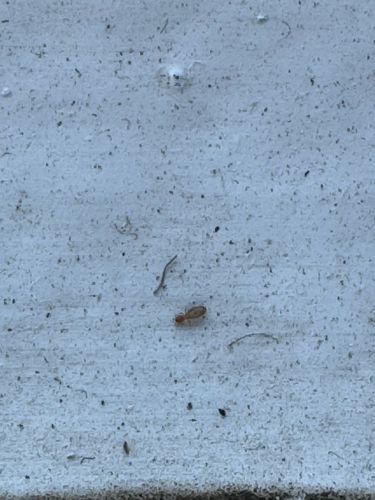
Booklouse / Booklice (plural) or Psocid
Various species within the Order Psocodea, often Liposcelis species for indoor infestations.
- Order & Family
- Order: Psocodea (formerly Psocoptera), Family: Liposcelididae (for common indoor species like Liposcelis species) or other psocid families depending on species.
- Size
- Typically very small, ranging from 1 to 2 mm (0.04 to 0.08 inches) in length. Some outdoor species can be slightly larger up to 6mm.
Natural Habitat
They thrive in humid environments (above 60% relative humidity, preferably 75-90%) and moderate temperatures (20-25°C or 68-77°F). Common indoor habitats include damp basements, bathrooms, kitchens, wall voids, under wallpaper, in stored books, old papers, or food pantries. Outdoors, they can be found under bark, in leaf litter, and in bird nests.
Diet & Feeding
Booklice feed on molds, fungi, dead insects, cereal products, paste, starch, glue in book bindings, wallpaper, and other organic matter. They are scavengers.
Behavior Patterns
Booklice are typically found in damp, dark, and undisturbed areas. They are very sensitive to moisture and light. They can multiply rapidly under favorable conditions (high humidity, moderate temperatures). Most species are parthenogenetic, meaning females can reproduce without males, accelerating population growth. They are generally slow-moving.
Risks & Benefits
Potential Risks: Booklice are generally harmless to humans, not biting or transmitting diseases. However, large infestations can be a nuisance and can cause damage to stored products like grains, books, paper, and textiles if mold or mildew is present. They can indicate a moisture problem indoors. Some individuals may experience mild allergic reactions to their presence. Potential Benefits: In outdoor environments, they play a minor role as decomposers, helping to break down organic matter. Indoor booklice do not offer significant benefits.