
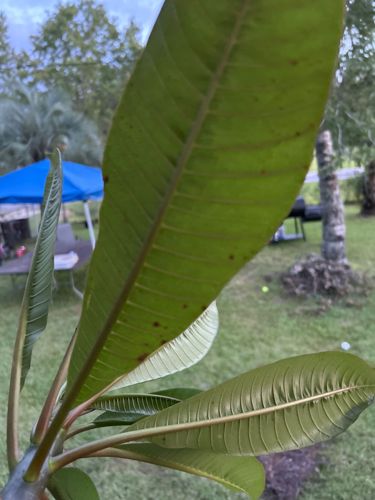
Thrips
There are many species of thrips, with common pest genera including Frankliniella, Thrips, and Hercinothrips. A specific scientific name cannot be determined from the image alone without microscopic examination.
- Order & Family
- Order: Thysanoptera, Family: Varies (e.g., Thripidae, Phlaeothripidae)
- Size
- Adult thrips are generally very small, typically ranging from 0.5 to 2 mm in length.
Natural Habitat
Thrips are found worldwide, inhabiting various plant environments including gardens, greenhouses, agricultural fields, forests, and indoor plants. They prefer sheltered locations on plants, such as within developing buds, unfurling leaves, or in the crevices of flowers.
Diet & Feeding
Thrips feed by piercing plant cells with their single stylet (mouthpart) and sucking out the cell contents. This feeding causes the characteristic silvering, stippling, or browning on leaves and petals. They feed on a wide range of plants, including fruits, vegetables, ornamentals, and field crops. Some species are predatory on other small insects or mites, but these are less common.
Behavior Patterns
Thrips are active feeders, often found on the undersides of leaves or within flower blossoms. They reproduce rapidly, especially in warm conditions, and can have multiple generations per year. Many species lay eggs within plant tissue. Adults are typically winged and can fly, aiding in their dispersal. They often feed in groups, causing more significant damage.
Risks & Benefits
Risks: Thrips are significant agricultural and horticultural pests. Their feeding can cause cosmetic damage to plants, reduce crop yield, and even lead to plant death in severe infestations. More importantly, many species of thrips are vectors for serious plant viruses, such as Tomato Spotted Wilt Virus (TSWV), which can devastate entire crops. Benefits: A few thrips species are beneficial predators of other small pests like mites and other thrips. However, the vast majority of thrips species are considered pests.