
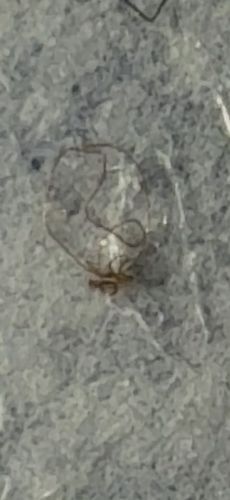
Lace Bug
Family Tingidae (likely genus Corythucha)
- Order & Family
- Order: Hemiptera; Family: Tingidae
- Size
- 3 to 6 mm (approximately 1/8 to 1/4 inch)
Natural Habitat
Primarily found on the undersides of leaves of deciduous trees and shrubs (such as sycamore, oak, azalea, and hawthorn).
Diet & Feeding
Herbivorous; they use piercing-sucking mouthparts to feed on plant sap and cell contents from the undersides of leaves.
Behavior Patterns
They tend to feed in groups on the undersides of leaves. Adults are often blown from trees by wind and may land on surfaces or humans. They are known for the intricate, lace-like structure of their wings and thorax.
Risks & Benefits
Risks: They are plant pests that cause stippling (discoloration) on leaves. While not dangerous to humans, they can occasionally bite or probe skin, causing potential irritation or dermatitis. Benefits: Minimal direct benefit, simply part of the local food web.