
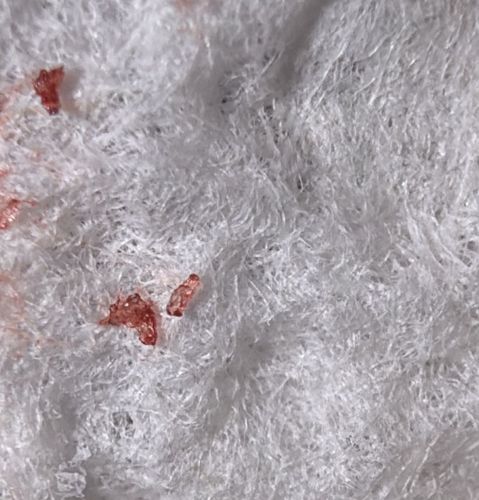
Bed Bug
Cimex lectularius
- Order & Family
- Hemiptera / Cimicidae
- Size
- Nymphs: 1.5–4.5 mm; Adults: 5–7 mm after a blood meal.
Natural Habitat
Dwellings with human occupants, typically found hiding in mattresses, box springs, bed frames, cracks, and crevices in or near sleeping areas.
Diet & Feeding
Obligate hematophages; they feed exclusively on the blood of warm-blooded animals, primarily humans.
Behavior Patterns
Nocturnal and elusive; they are attracted by carbon dioxide and body heat. They feed for several minutes and then retreat to hide for digestion and reproduction. Life cycle involves five nymphal stages, each requiring a blood meal to molt.
Risks & Benefits
Risks: Bites can cause itchy red welts, allergic reactions, insomnia, and anxiety. While they do not efficiently transmit diseases through bites, they are significant household pests that require professional eradication. Benefits: None to humans or household ecosystems.