
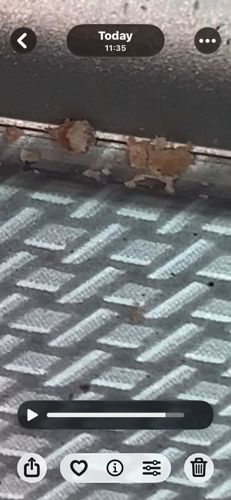
Community identification
Masked Hunter Nymph
Reduvius personatus
- Order & Family
- Hemiptera: Reduviidae
- Size
- 15 to 22 mm (adults), nymphs are smaller but appear larger due to debris camouflage.
Natural Habitat
Commonly found indoors in dry, dusty areas such as attics, basements, and behind furniture, or outdoors in logs and hollow trees.
Diet & Feeding
Strictly insectivorous; they prey on other small arthropods including bed bugs, carpet beetles, silverfish, and termites.
Behavior Patterns
Nymphs practice 'masking' by coating their bodies with dust, sand, or lint using specialized hairs. This provides camouflage from both predators and prey. They are nocturnal and solitary hunters.
Risks & Benefits
Highly beneficial to humans as they act as a natural pest control for bed bugs. However, they can deliver a painful bite if handled or provoked, though they do not transmit diseases.