
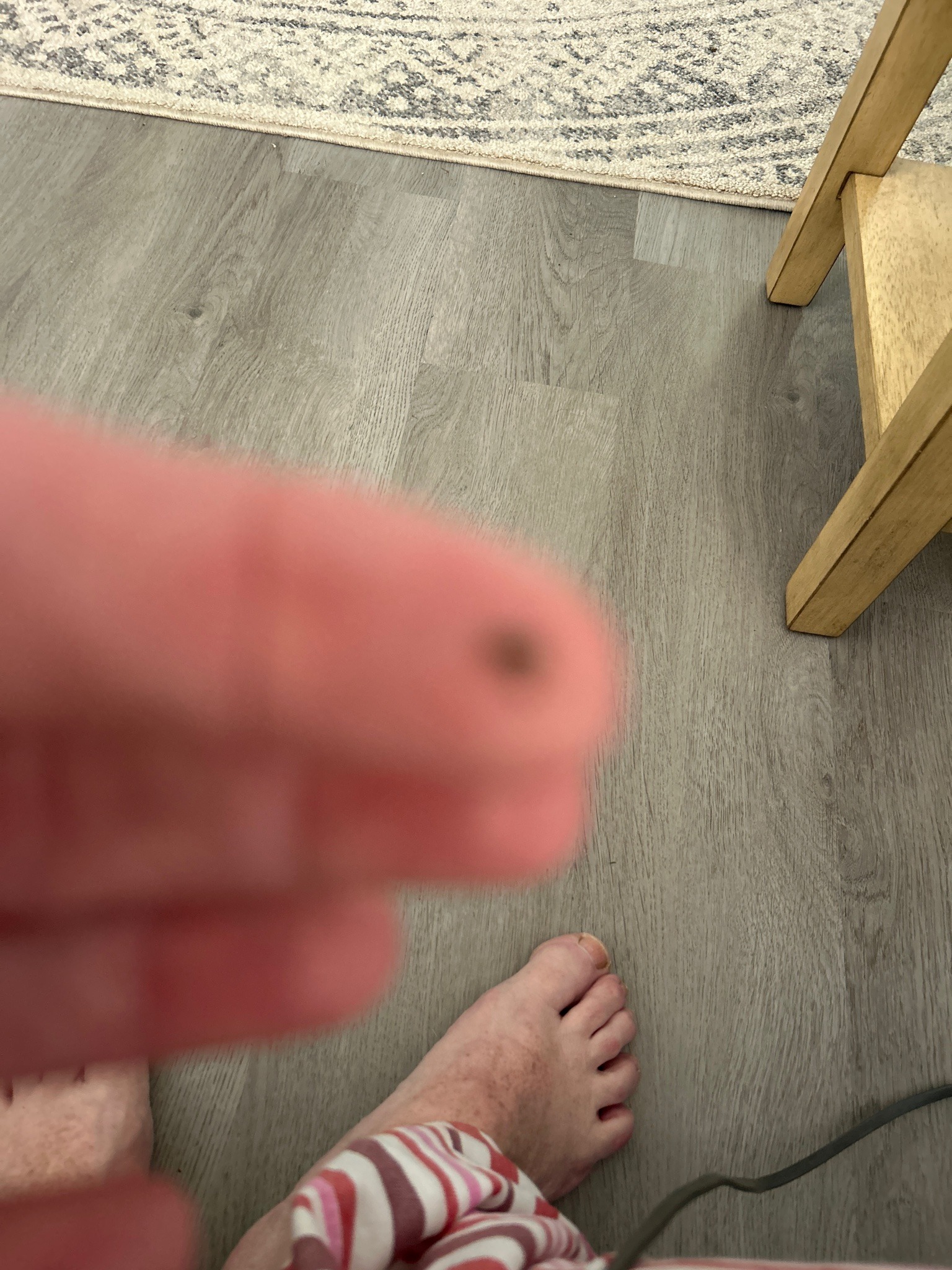
Community identification
Dog Tick / Wood Tick
Dermacentor variabilis (likely species)
- Order & Family
- Order Ixodida, Family Ixodidae
- Size
- 3mm to 5mm unfed; up to 15mm when fully engorged.
Natural Habitat
Grassy areas, wooded paths, and areas with tall weeds or shrubs where they wait for hosts.
Diet & Feeding
Obligate hematophage; feeds on the blood of mammals including dogs, deer, and humans.
Behavior Patterns
Employs 'questing' by climbing to the tips of vegetation and extending legs to grab passing hosts. Highly seasonal, most active in spring and early summer.
Risks & Benefits
Risk: Known vector for Rocky Mountain spotted fever and tularemia. Can cause tick paralysis in rare cases. No known benefits to humans; occupy a niche in the food chain for birds and small mammals.