
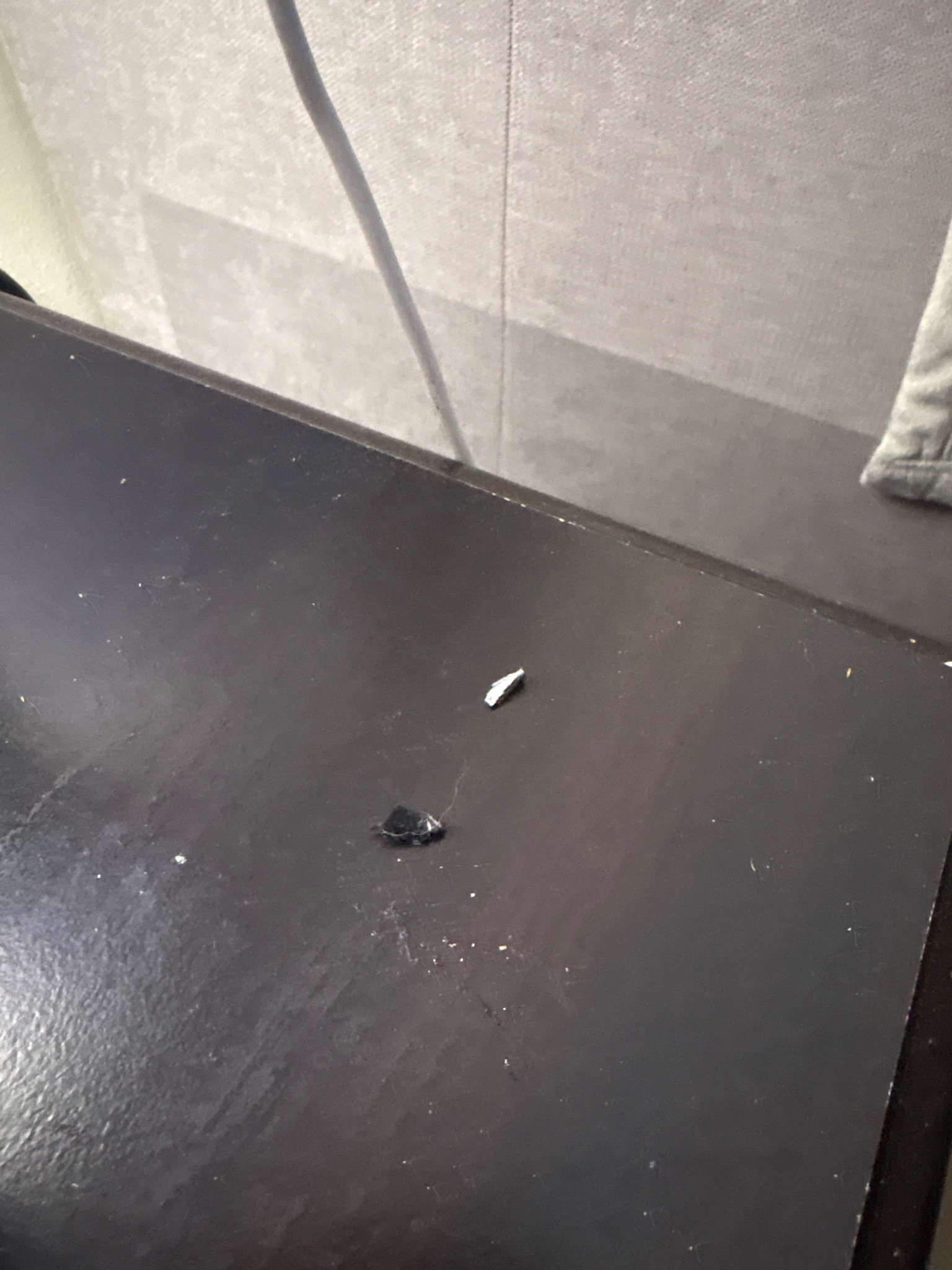
Community identification
Case-bearing clothes moth (larva)
Tinea pellionella
- Order & Family
- Lepidoptera: Tineidae
- Size
- Larvae are roughly 1/4 to 1/2 inch (6-12 mm) in length.
Natural Habitat
Inhabits homes, museums, and storage facilities, typically in dark, undisturbed areas like closets or under furniture.
Diet & Feeding
Larvae feed on natural fibers including wool, silk, feathers, fur, and hair. They cannot digest synthetic fibers unless they are blended with natural ones or soiled with food stains.
Behavior Patterns
The larva constructs a portable silken case incorporating fibers from the material it is eating, which it carries around as it moves. When ready to pupate, it seeks a vertical surface or a crevice.
Risks & Benefits
They are a significant domestic pest that can cause extensive damage to clothing, upholstery, and carpets. They pose no direct health risk to humans but can be destructive to property.