
Community identification
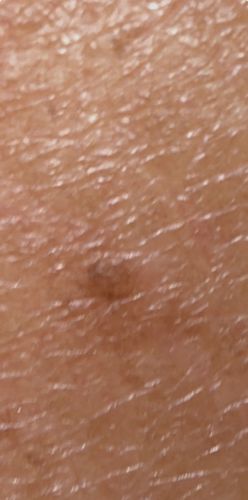
Tick (Nymph or Larva) - Identification uncertain due to blur
Ixodida (Order)
- Order & Family
- Ixodida / Ixodidae (Hard Ticks) or Argasidae (Soft Ticks)
- Size
- Larvae: <1mm; Nymphs: 1-2mm (poppy seed size); Adults: 3-5mm (unengorged).
Natural Habitat
Tall grass, wooded areas, leaf litter, and shrubs; found on the skin of mammal hosts while feeding.
Diet & Feeding
Hematophagous (feeds exclusively on the blood of mammals, birds, amphibians, and reptiles).
Behavior Patterns
They exhibit 'questing' behavior to latch onto passing hosts. Once attached, they embed their mouthparts into the skin to feed for several days. Nymphs often resemble small dark freckles or moles.
Risks & Benefits
Risks: Major vectors for diseases such as Lyme disease, Rocky Mountain spotted fever, and Ehrlichiosis; bites can cause local irritation or infection. No direct ecosystem benefits to humans.