
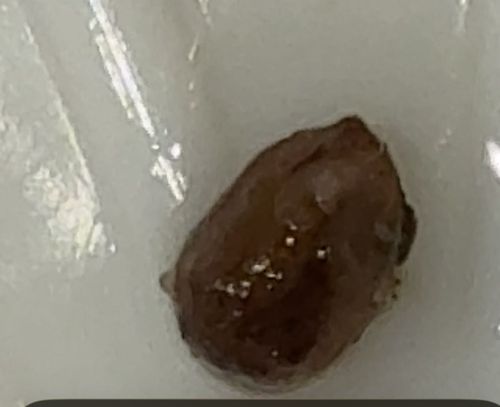
Community identification
Dog Tick
Dermacentor variabilis
- Order & Family
- Order Ixodida, Family Ixodidae
- Size
- 3 mm to 5 mm (unfed adults); up to 15 mm when fully engorged.
Natural Habitat
Found in areas with high grass or low-lying brush, particularly along walks and trails.
Diet & Feeding
Hematophagous; they feed exclusively on the blood of mammals, including dogs, livestock, and humans.
Behavior Patterns
They are 'questing' parasites that wait on the tips of vegetation to latch onto passing hosts. They undergo a complex four-stage life cycle: egg, larva, nymph, and adult.
Risks & Benefits
Significant risk as a vector for diseases such as Rocky Mountain spotted fever and tularemia. They can also cause tick paralysis in dogs and humans. They provide no known ecological benefits to humans.