
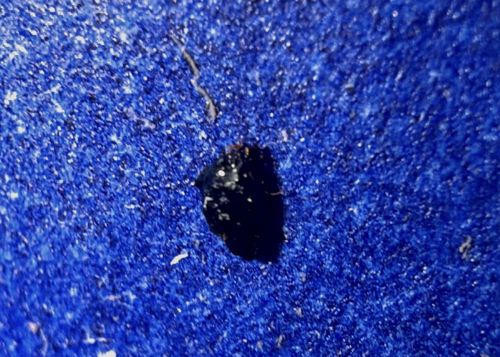
Community identification
Common Bed Bug
Cimex lectularius
- Order & Family
- Order: Hemiptera; Family: Cimicidae
- Size
- Adults are approximately 4–5 mm long (about the size of an apple seed); nymphs range from 1 mm to 4 mm.
Natural Habitat
Indoor environments, predominantly hiding in cracks and crevices of mattresses, bed frames, box springs, furniture, and baseboards close to sleeping hosts.
Diet & Feeding
Hematophagous (feeds exclusively on blood), preferring human blood but will feed on other warm-blooded animals if necessary.
Behavior Patterns
Nocturnal and parasitic; attracted to body heat and carbon dioxide; hides in tight clusters during the day; capable of surviving months without feeding.
Risks & Benefits
Risks include itchy bites that can lead to secondary skin infections, severe allergic reactions, anxiety, and insomnia. They are significant nuisance pests with no known benefits to the household ecosystem.