
Community identification
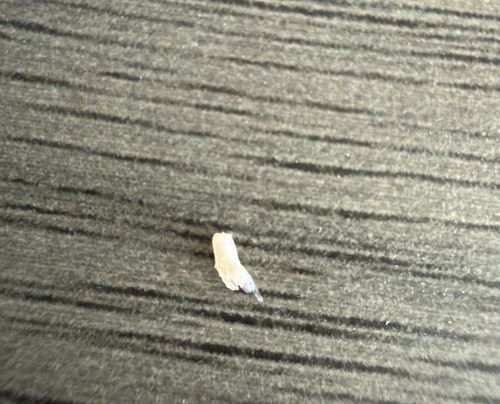
Casemaking Clothes Moth (larva)
Tinea pellionella
- Order & Family
- Order: Lepidoptera, Family: Tineidae
- Size
- Larvae grow to about 7-10 mm long; the portable silk case is often slightly larger.
Natural Habitat
Indoor environments, particularly in closets, drawers, or storage areas where natural fibers are kept. Found worldwide.
Diet & Feeding
Larvae feed on keratins found in natural animal fibers such as wool, silk, hair, fur, feathers, and leather.
Behavior Patterns
The larva builds a protective silken tube or 'case' that it carries with it as it feeds. It incorporates fibers from the material it is eating into the case, which helps it camouflage. They prefer dark, undisturbed areas and are most active in humid conditions.
Risks & Benefits
Risks: Significant pest of household goods; they can cause permanent damage to clothing, upholstery, rugs, and heirlooms. Benefits: In the wild, they help decompose animal remains by breaking down hair and feathers.