
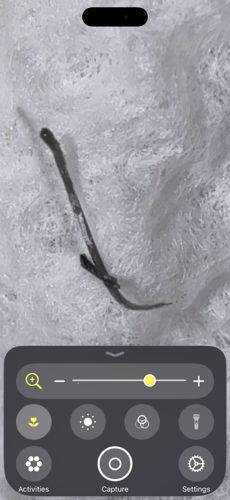
Community identification
Webbing Clothes Moth Larva
Tineola bisselliella
- Order & Family
- Lepidoptera: Tineidae
- Size
- Larvae grow up to approximately 10–12 mm (0.4–0.5 inches) long.
Natural Habitat
Dark, undisturbed indoor locations like closets, drawers, and under furniture where natural fibers are stored.
Diet & Feeding
Animal-based natural fibers including wool, silk, fur, feathers, and hair; they digest the protein keratin.
Behavior Patterns
Larvae spin silk feeding tunnels or mats over the materials they eat; they are photophobic and will move away when exposed to light.
Risks & Benefits
Risks: High potential for economic damage by destroying clothing, upholstery, and carpets. Benefits: None in a domestic setting; in nature, they help decompose animal remains.