
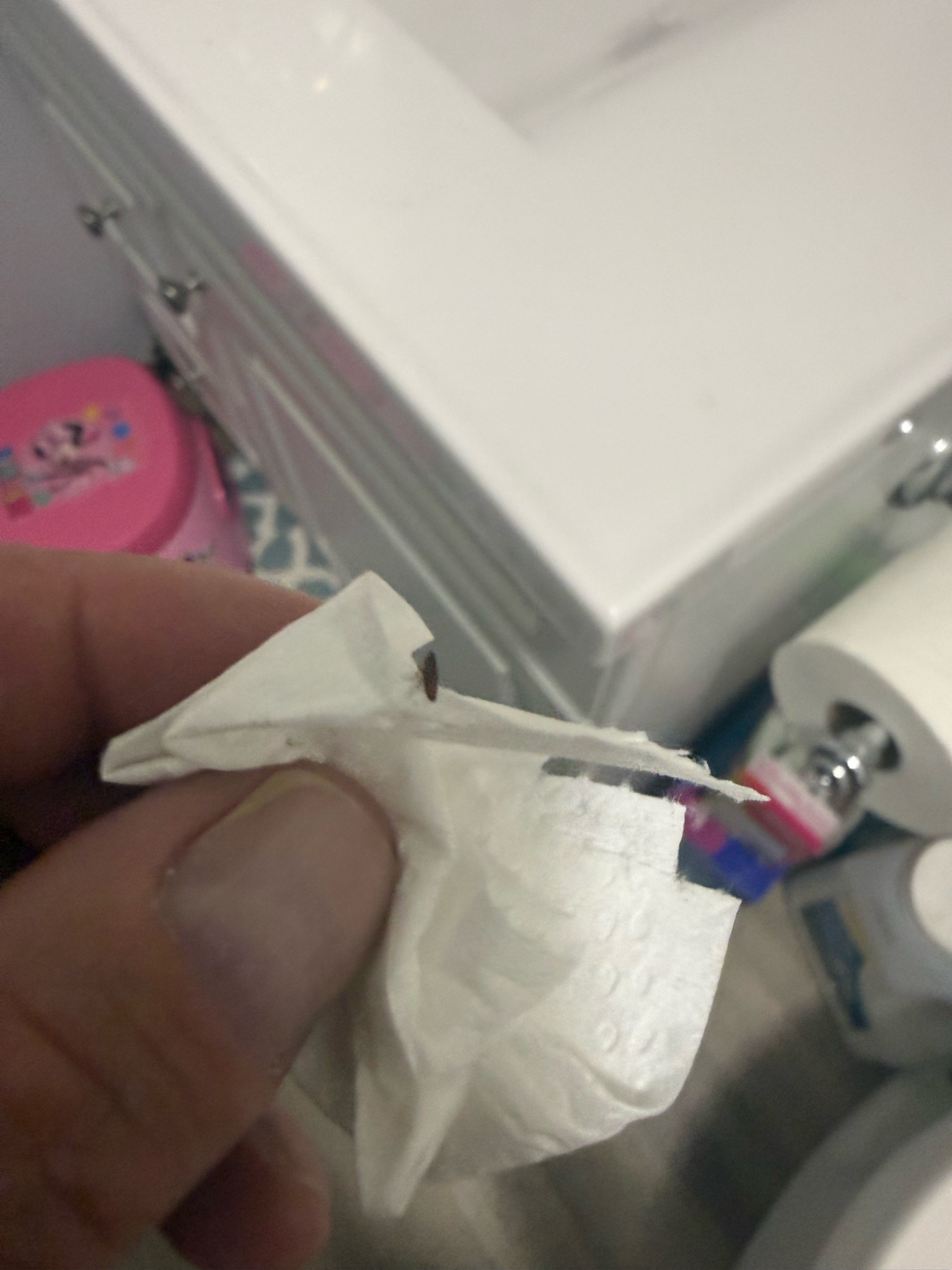
Flea
Ctenocephalides felis (Cat Flea, most common household flea)
- Order & Family
- Siphonaptera, Pulicidae
- Size
- 1.5 to 3.3 mm (1/16 to 1/8 inch)
Natural Habitat
Indoors on domestic pets, carpets, bedding, and furniture, as well as outdoor areas frequented by host animals
Diet & Feeding
Adult fleas are obligate hematophages that feed exclusively on the blood of mammals (such as cats, dogs, and humans) and birds. Larvae feed on organic debris and adult flea feces ('flea dirt').
Behavior Patterns
Wingless insects that are laterally flattened, allowing them to move easily through host fur or feathers. They are exceptional jumpers using powerful hind legs. Females lay eggs on the host, which drop off into the environment to hatch.
Risks & Benefits
Risks: Flea bites cause itchy, inflamed red bumps and allergic dermatitis in sensitive hosts. They can transmit tapeworms (Dipylidium caninum) and bacterial pathogens (such as murine typhus and Bartonella). They offer no significant ecological benefits in household environments.