
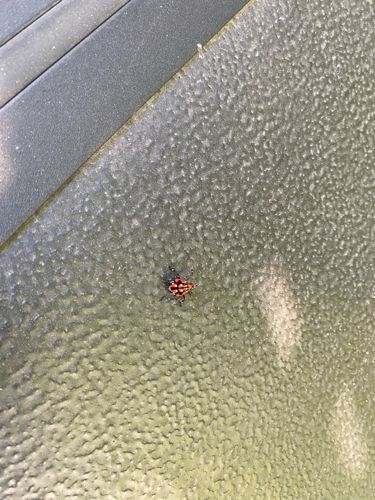
Boxelder Bug
Boisea trivittata
- Order & Family
- Order: Hemiptera, Family: Rhopalidae (Scentless Plant Bugs)
- Size
- Adults typically range from 11–14 mm (0.43–0.55 inches) in length.
Natural Habitat
Commonly found in areas where their host trees (boxelder, maple, ash) are present. This includes urban and suburban settings, parks, and natural woodlands. During colder months, they seek shelter indoors or in protected outdoor locations.
Diet & Feeding
Primarily feed on the sap of boxelder trees, and occasionally on maple and ash trees, using their piercing-sucking mouthparts. They may also feed on the seeds and developing fruits of these trees.
Behavior Patterns
Boxelder bugs are known to aggregate on the sunny sides of buildings and rocks in late summer and fall, seeking warmth before attempting to find overwintering sites in cracks and crevices. They can become a nuisance when they enter homes in large numbers. During warmer months, they are typically found on host trees where they feed and reproduce. They are generally slow-moving.
Risks & Benefits
Potential risks include being a nuisance pest when they invade homes in large numbers, leaving behind reddish-brown stains from their fecal droppings, and emitting an unpleasant odor if crushed. They do not bite people or pets, nor do they cause structural damage to homes or significant damage to plants in landscapes. They are not known to provide significant benefits to ecosystems, other than being a food source for some predators.