
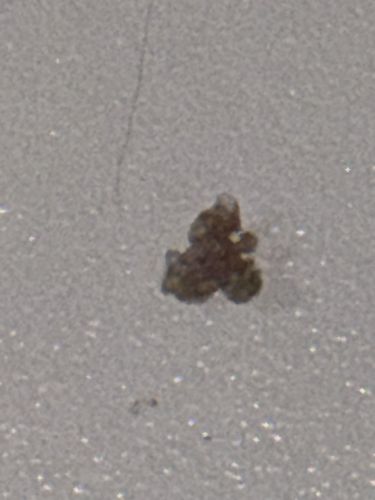
Dust Mite
Dermatophagoides spp.
- Order & Family
- Astigmata, Pyroglyphidae
- Size
- 0.2 - 0.3 mm (microscopic)
Natural Habitat
Human dwellings, especially mattresses, upholstery, carpets, and bedding where they feed on shed human skin cells. They thrive in warm, humid environments.
Diet & Feeding
Primarily feed on organic detritus, including shed human and animal skin flakes (dander), pollen, fungi, and bacteria.
Behavior Patterns
Dust mites are microscopic arachnids that are not parasitic but thrive in indoor environments. They are largely nocturnal, avoiding light, and prefer to live deep within fabric fibers where they can maintain humidity and find ample food sources. They do not drink water, absorbing moisture from the air. Their life cycle from egg to adult is about 3-4 weeks, and adults can live for 2-4 months.
Risks & Benefits
Dust mites are a major allergen for many people, contributing to asthma, allergic rhinitis (hay fever), and atopic dermatitis (eczema). Their fecal pellets and body fragments become airborne and can be inhaled, triggering allergic reactions. They pose no direct risk of biting or transmitting diseases. There are no known significant benefits from dust mites to humans or the ecosystem, though they contribute to the breakdown of organic detritus in indoor environments.