
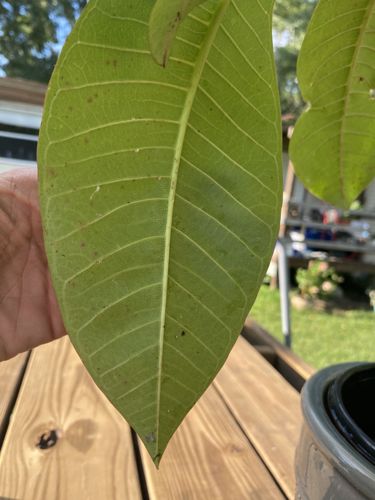
Thrips (damage)
Various species within the order Thysanoptera (e.g., Frankliniella occidentalis, Thrips tabaci)
- Order & Family
- Order: Thysanoptera, Family: A variety of families within Thysanoptera (e.g., Thripidae, Phlaeothripidae)
- Size
- Typically 0.5 mm to 2.0 mm (very small to tiny) in length.
Natural Habitat
Widely distributed globally, found on a broad range of plants including agricultural crops, ornamental plants, trees, and weeds. They thrive in warm and dry conditions.
Diet & Feeding
Mainly plant sap, pollen, and fungal spores. Some species are predatory on other small insects or mites.
Behavior Patterns
Thrips reproduce rapidly, especially in warm conditions. Many species can reproduce asexually (parthenogenesis). They feed by puncturing plant cells and sucking out the contents, leaving behind characteristic silvery or bronzed streaks, often with small black fecal specks (frass). They are typically active during the day and are often found on new growth, flowers, and the undersides of leaves. Some species can fly or be carried by wind over long distances.
Risks & Benefits
Risks: Thrips are significant agricultural and horticultural pests. They can cause direct damage to plants by feeding, leading to stunted growth, distorted leaves, flowers, and fruits, and reduced crop yield. Their feeding can also lead to cosmetic damage, especially on ornamental plants. More critically, many thrips species are vectors for plant viruses, transmitting diseases like tomato spotted wilt virus (TSWV) which can severely impact crops. Benefits: Some species are predatory and can help control populations of other small pest insects or mites. They also contribute to pollination in some ecosystems, though this role is less significant than their pest status.